
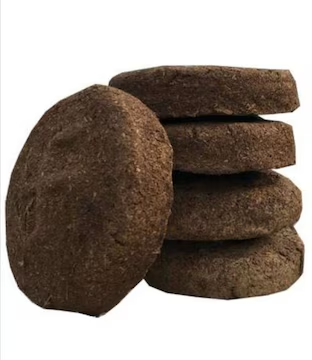
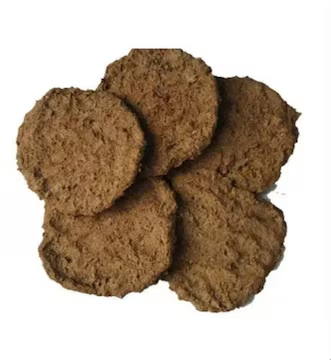
A cow dung cake (or upala, kanda) is a traditional, eco-friendly fuel made from a mixture of dried cow dung, hay, and straw, shaped into flat discs or patties and sun-dried, used for cooking, heating, and in religious rituals in parts of India and Eurasia. These natural cakes burn slowly, release heat, purify the air, and are a sustainable alternative to firewood, often used in chulhas (traditional stoves) for cooking or for havans (fire rituals).
How they are made
- Ingredients: Pure desi (native Indian) cow dung mixed with hay, straw, or crop residue.
- Shaping: The mixture is manually formed into flat, disc-like shapes.
- Drying: Left to dry in the sun, often stuck to walls initially, then piled up.
Common uses
- Fuel: For cooking in traditional stoves (chulhas) or for heating.
- Rituals: Used in Hindu religious ceremonies like agnihotra, yagna, and puja for their purported purifying properties.
- Fertilizer: As a natural manure or to make plant pots.
- Air Purification: Believed to release oxygen and purify air when burned with ghee.
Characteristics
- Eco-friendly: A renewable resource that promotes recycling.
- Natural: Handmade, sun-dried, and free from chemicals.
- Varieties: Available in different shapes (round, square) and sizes


Reviews
There are no reviews yet.